India
The India country report is a virtual archive of experiences, reflections and insights around some of the most significant of women’s movement struggles against rape and sexual violence. In the course of more than five decades of mobilisation and resistance, Indian women’s movements have exposed and dissected the system created by the interlocking hierarchies of caste, gender and state power.
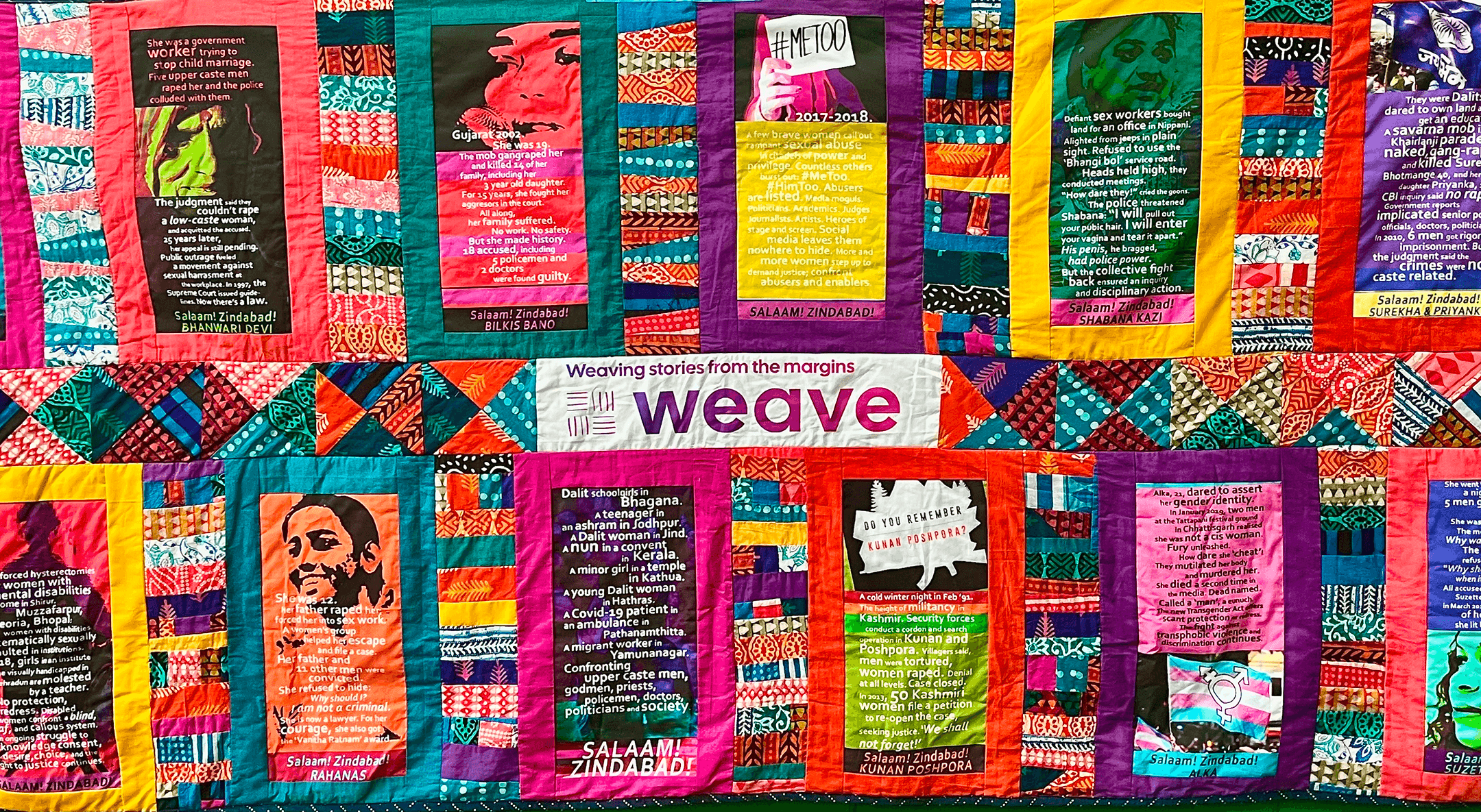
Perpetual Custody: the patriarchal prescription
The India case study highlights how entrenched patriarchal and caste norms, validated by religious texts, place women under the lifelong custody of male guardians, stripping them of autonomy and agency. InInstitutions like the judiciary, police, and custodial facilities further reinforce these controls, legitimising the surveillance and subjugation of women.
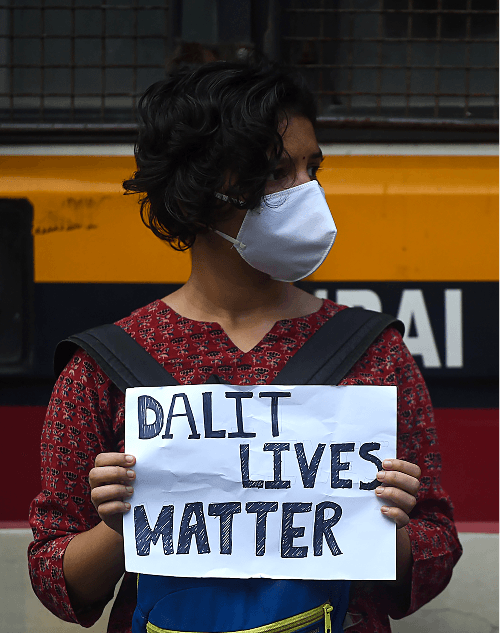
An activist holds a placard during a protest to condemn the alleged gang-rape and murder of a 19-year-old woman in Bool Garhi village of Uttar Pradesh state, in Mumbai on October 6, 2020.
Link to video

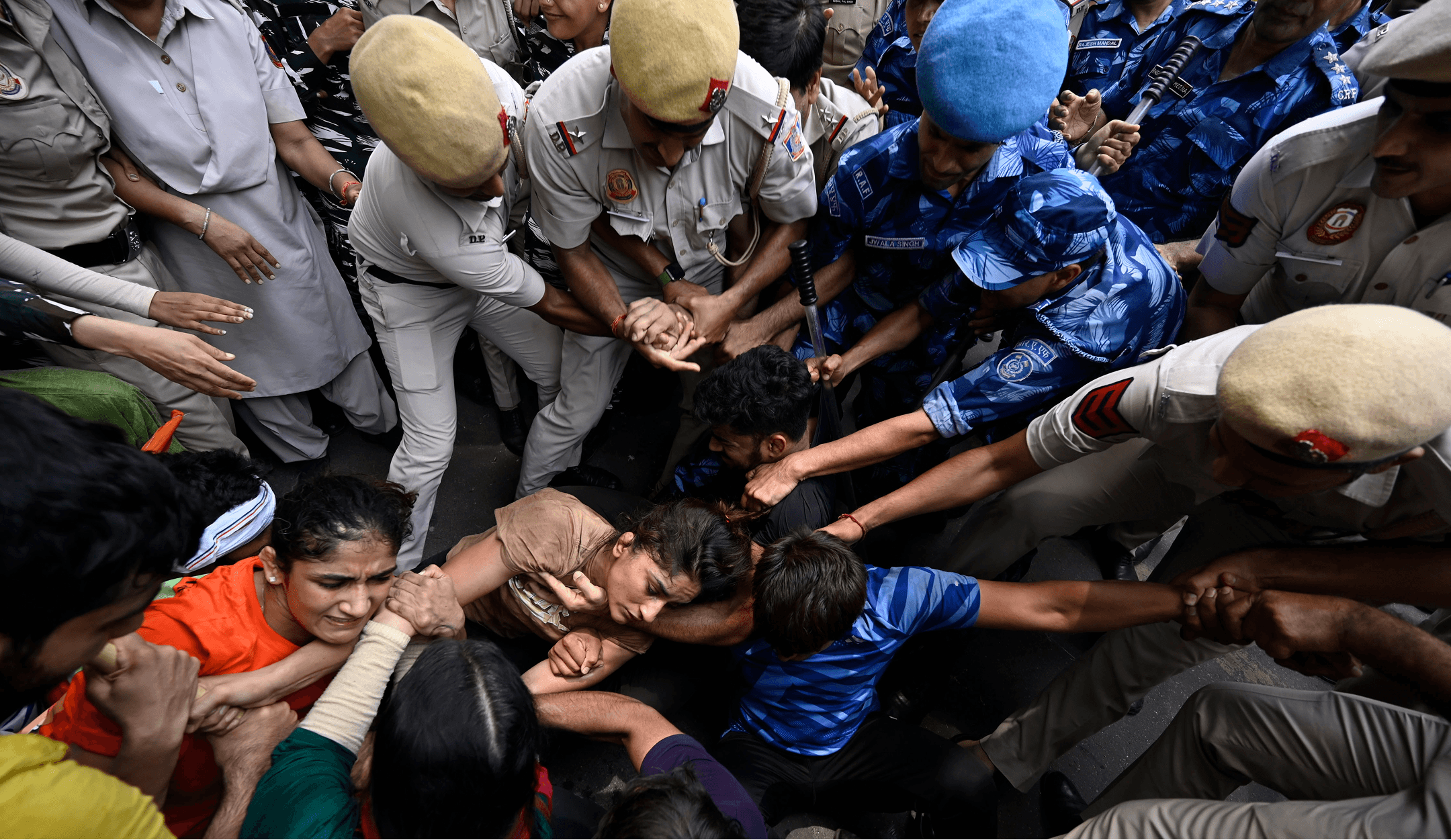
May 28, 2023, Protesting wrestlers detained trying to march to new parliament building.
Methodology
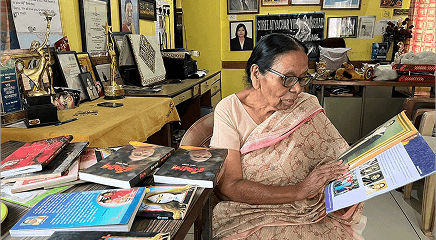
The India Case Study weaves together multiple sources and strands of enquiry: oral histories and personal accounts from movement actors, commentary and critiques by feminist scholars, accounts in popular media, campaign materials, court proceedings, judgements, audio-visual records and a range of formal and informal writings - to establish the context and trace the trajectories of some of these processes.
“The picture is like a jigsaw that is never complete — new pieces are constantly added, bringing new layers and dimensions to the analysis”
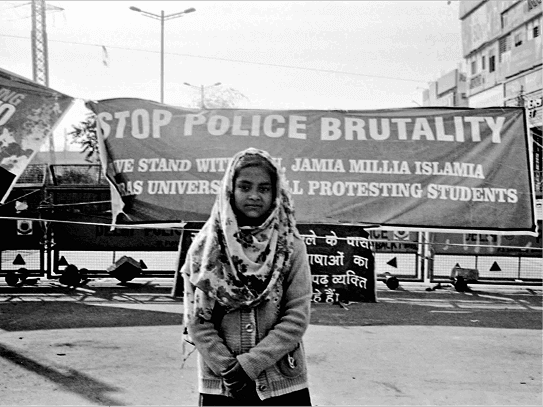
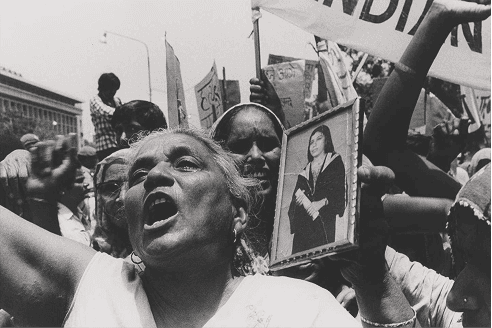
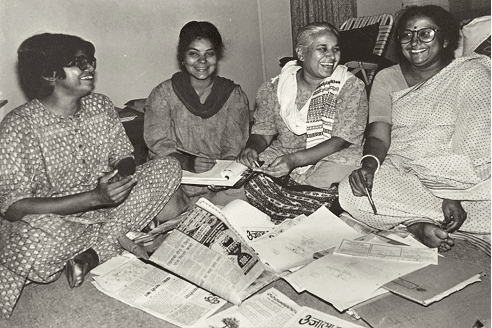
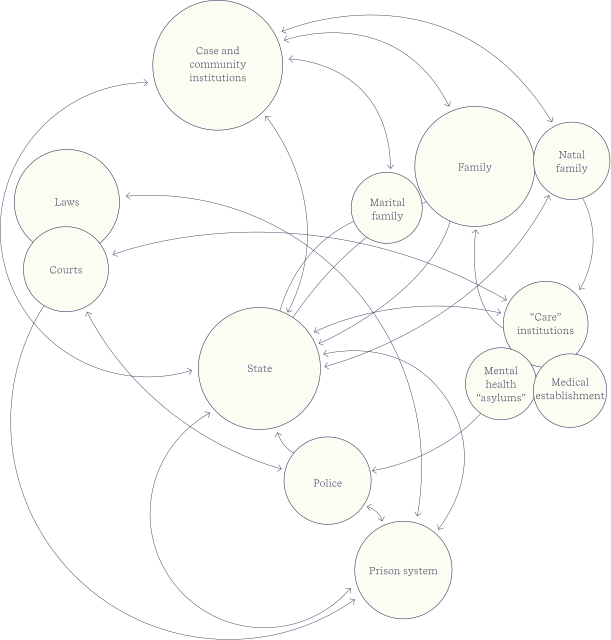
"No one had time to collect, curate and preserve these bits of history, because there was always another protest to be organised, another leaflet to be written, another set of posters to be produced in another all-night session.”
The legal journey
Pivotal legal battles, such as the Mathura case, were instrumental in exposing the biases within India’s judicial system regarding sexual violence. The Supreme Court's decision to acquit the accused reflected the entrenched power of caste and patriarchy.
An Open Letter to the Supreme Court from four legal scholars sparked public protests and legal reform efforts, ultimately leading to amendments in rape laws. It was also the spark for feminist mobilisation and conversations on the meaning of law and justice in the lives of women.
Link to video

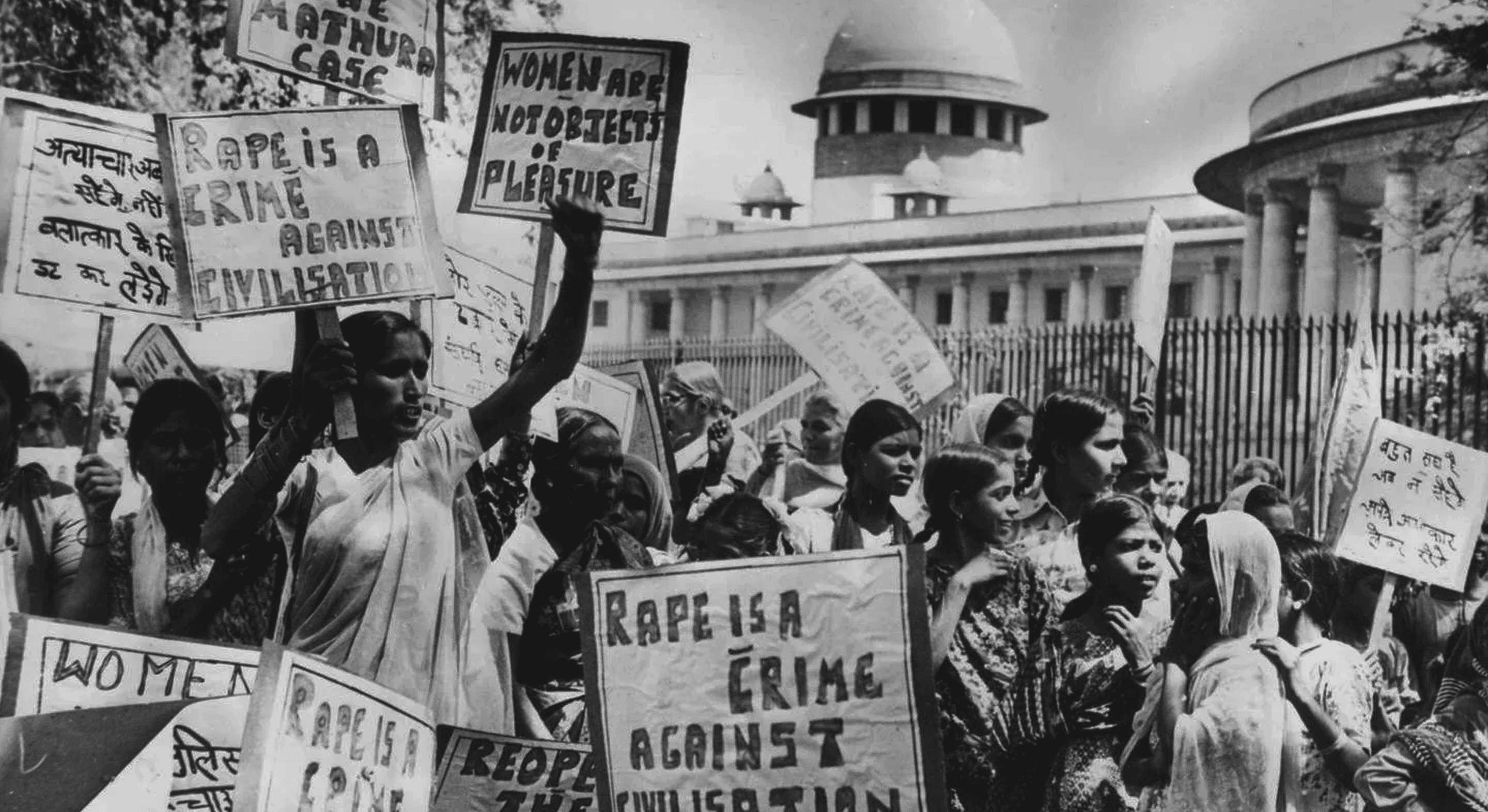
Women march in New Delhi in 1980 to demand that the Indian Supreme Court reconsider the case of Mathura, who accused two policemen of raping her when she was a teenager. The high court overturned the convictions of the two constables.
Creative strategies of protest and resistance
The early history of Indian women’s movements have been preserved through the dedication of feminist photographers, artists, singers and performers who took their creative skills into their activism, telling the stories from the inside out.
Activists adapted folk traditions and popular media to spread feminist messages, uniting audiences and fostering solidarity. Familiar tunes and powerful imagery created a shared sense of identity and resistance that transcended regional and linguistic divides.
From issue-based struggles to transforming the system
Initially focused on issues like rape and dowry murders, women’s movements quickly expanded to address a wide array of systemic challenges.
These campaigns probed the intersection of patriarchy, social and economic exploitation of women, and the role of the state. From the early years to the present, women’s movements have called for re-imagining social norms and transforming the system that denies women their rights and freedoms.
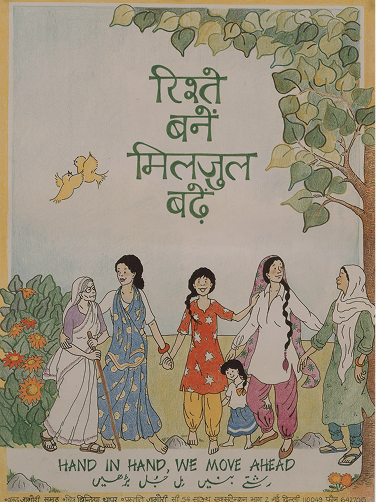
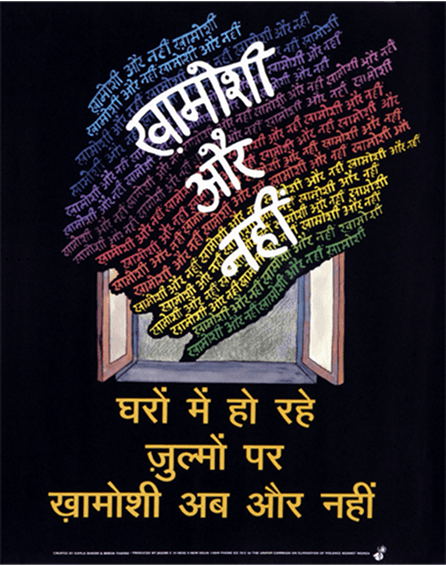
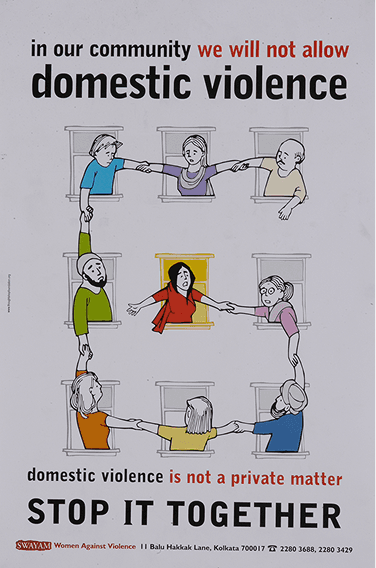
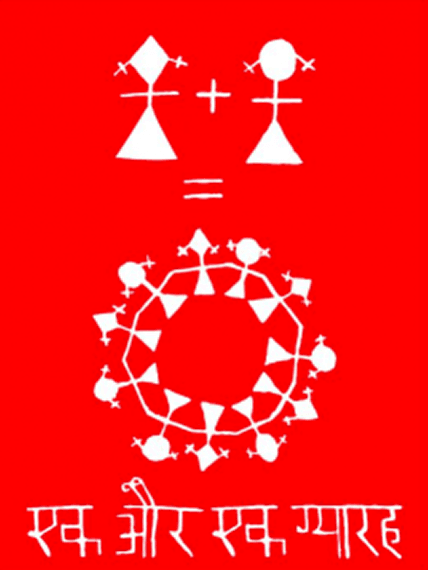
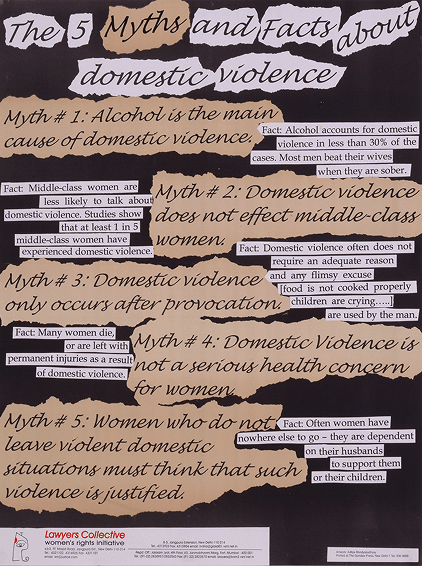
All posters are from Zubaan
Poster Women archive.
Dalit Feminism: Holding up a mirror to feminist movements
“The assertion of autonomous dalit women’s organisations in the 1990s threw up several crucial theoretical and political challenges, besides underlining the brahmanism of the feminist movement and the patriarchal practices of dalit politics... The apparent absence of a revisioning of feminist politics only suggests an ideological position of multiple/plural feminist standpoints.
This absence of an exploration of different positions hinders dialectics, both of a revisioning of contemporary feminist politics and a sharpening of the positions put forth by autonomous dalit women’s organisations.”
— Sharmila Rege (1998)
The Power of Solidarity
The movement thrived through partnerships and collective action. Women across castes, classes, and geographies came together to build a vibrant and inclusive feminist network.
Feminism bridged the binaries between academia and activism, between issue-based movements and brought together women in rural India and privileged urban activists to forge new theories and ways of looking at the world.
Link to Youtube
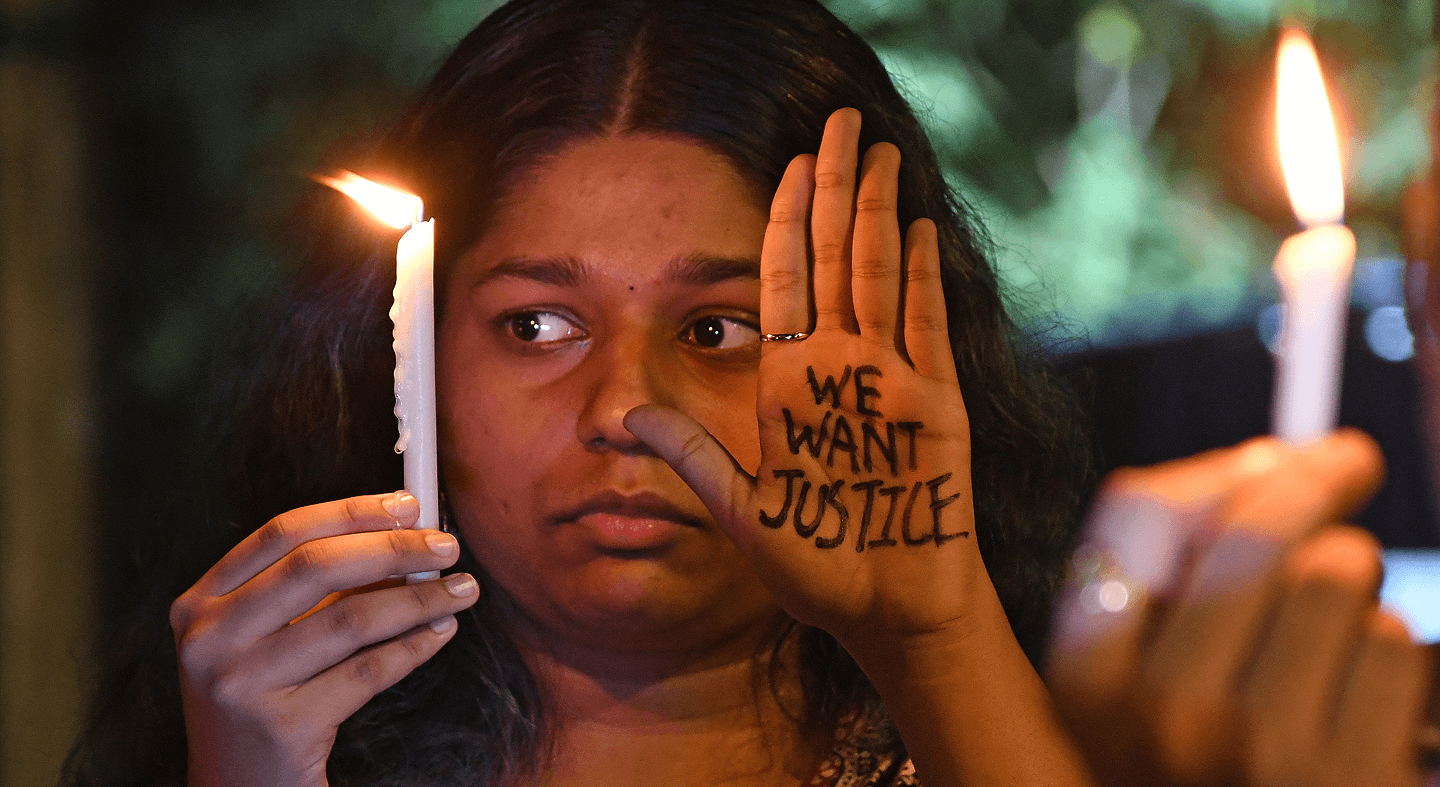
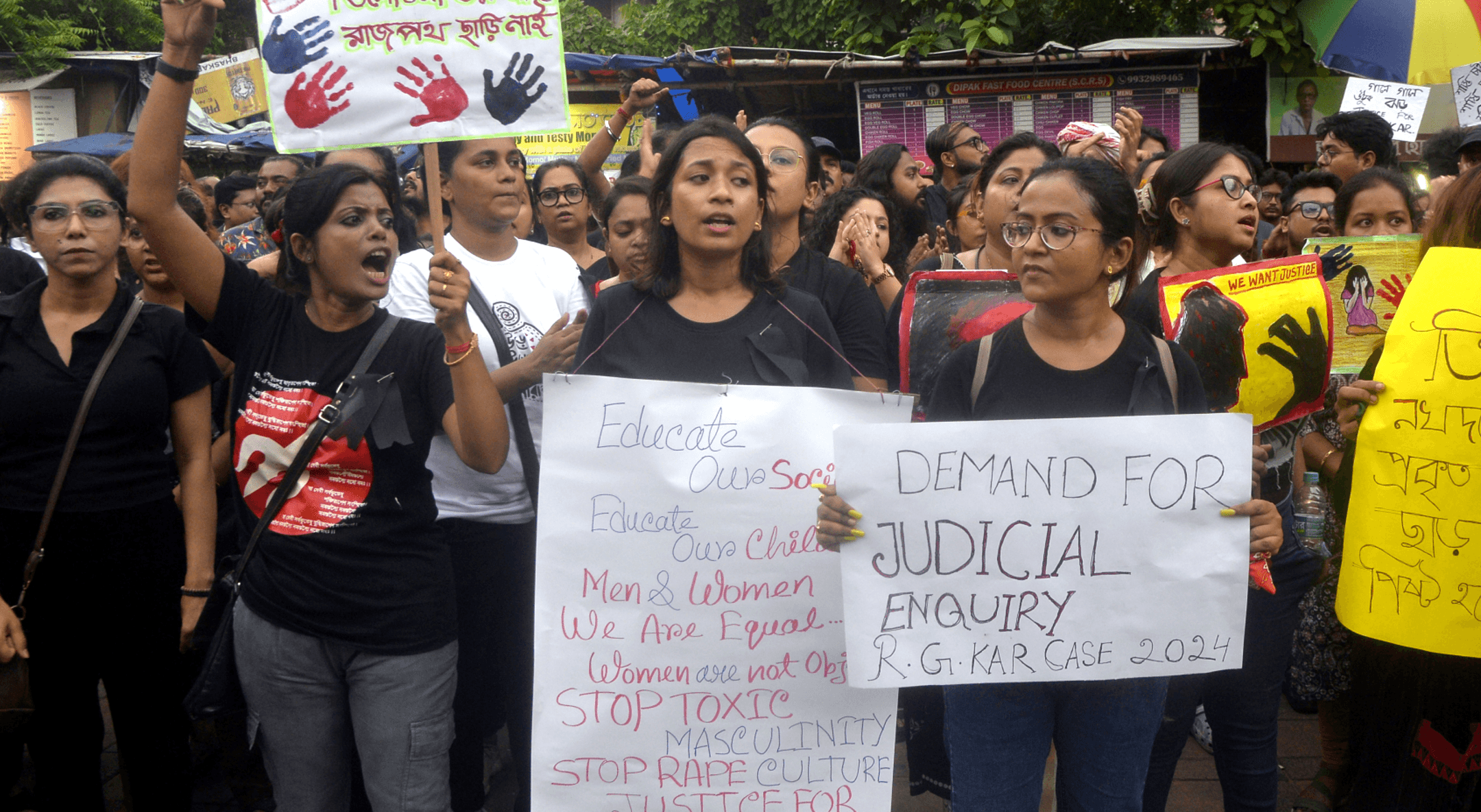
Protests erupted across the country in different cities in August 2024 to seek justice for a woman trainee doctor who was raped and murdered on duty at RG Kar medical college in Kolkata.
Resistance in a Polarised Nation
The women's movement in India today is grappling with the complexities of majoritarian politics and increasing religious polarisation that seems to have engulfed the whole country in waves of violence. The hope of change remains alive as diverse voices speak out in anguish and protest against these outbursts of hate and violence. Women who have never been part of feminist movements – from Muslim women in a working-class neighbourhood to young students and decorated women wrestlers - are coming out on the streets to assert their rights and freedoms.
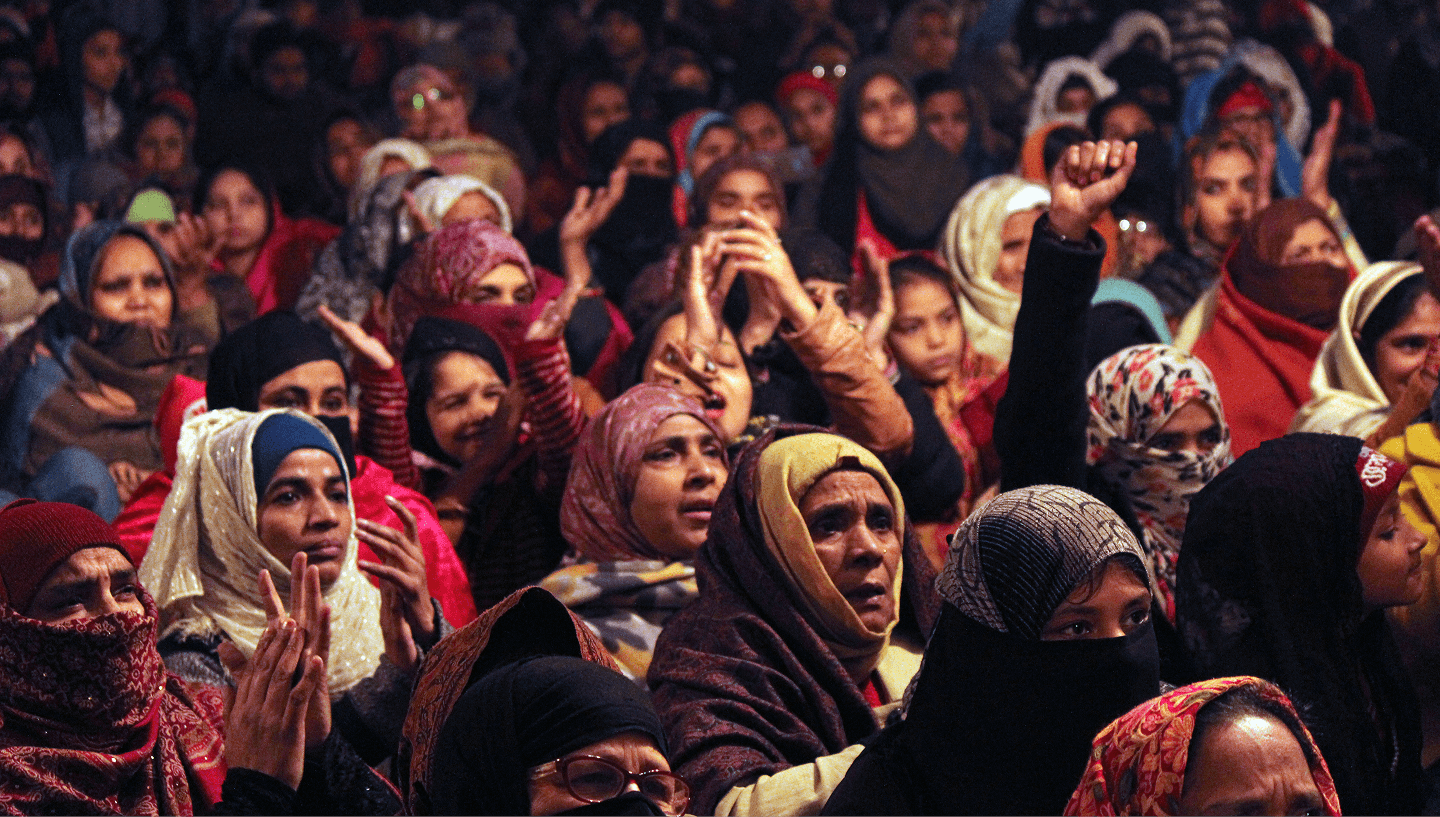
Women hold a sit-in protest since December 15, 2019 against the controversial Citizenship Amendment Act (CAA) at Shaheen Bagh, Okhla in New Delhi, India on December 28, 2019.
India Team
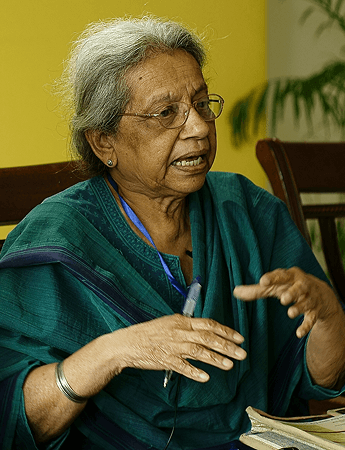
Uma Chakravarti
Uma Chakravarti is an Indian scholar, activist and filmmaker. A pioneering historian, she brings a critical feminist lens to her teaching and writing. A prolific writer and eloquent public speaker, her paper Conceptualising Brahmanical Patriarchy in Early India: Gender, Caste, Class and State stands as a landmark contribution to feminist theory. Apart from her contributions as a historian and archivist of feminist movements, she is also a democratic rights activist and has been a member of several fact-finding committees including the International Tribunal on Justice for Gujarat. She has produced and directed several documentary films that trace the history of feminist movements in India through the lives and words of women.
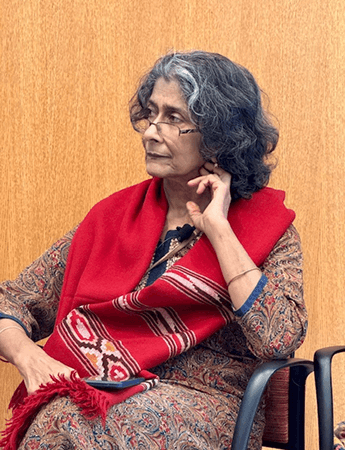
Kalyani Menon Sen
Kalyani Menon Sen is a feminist researcher and activist whose has been working for over twenty-five years on issues of women’s rights, particularly the impacts of neoliberal economic policies on women. She has contributed to critiques of economic policies and initiatives to build economic literacy for women workers. She has written and campaigned on issues of violence against women, particularly state violence and its linkage with economic policies. She has researched and written on issues of safety, dignity and rights of women in the workplace and systems for prevention and action on sexual harassment. As a Gender At Work Associate, she works with a wide range of organisations to support their efforts to build cultures of equality and inclusion.
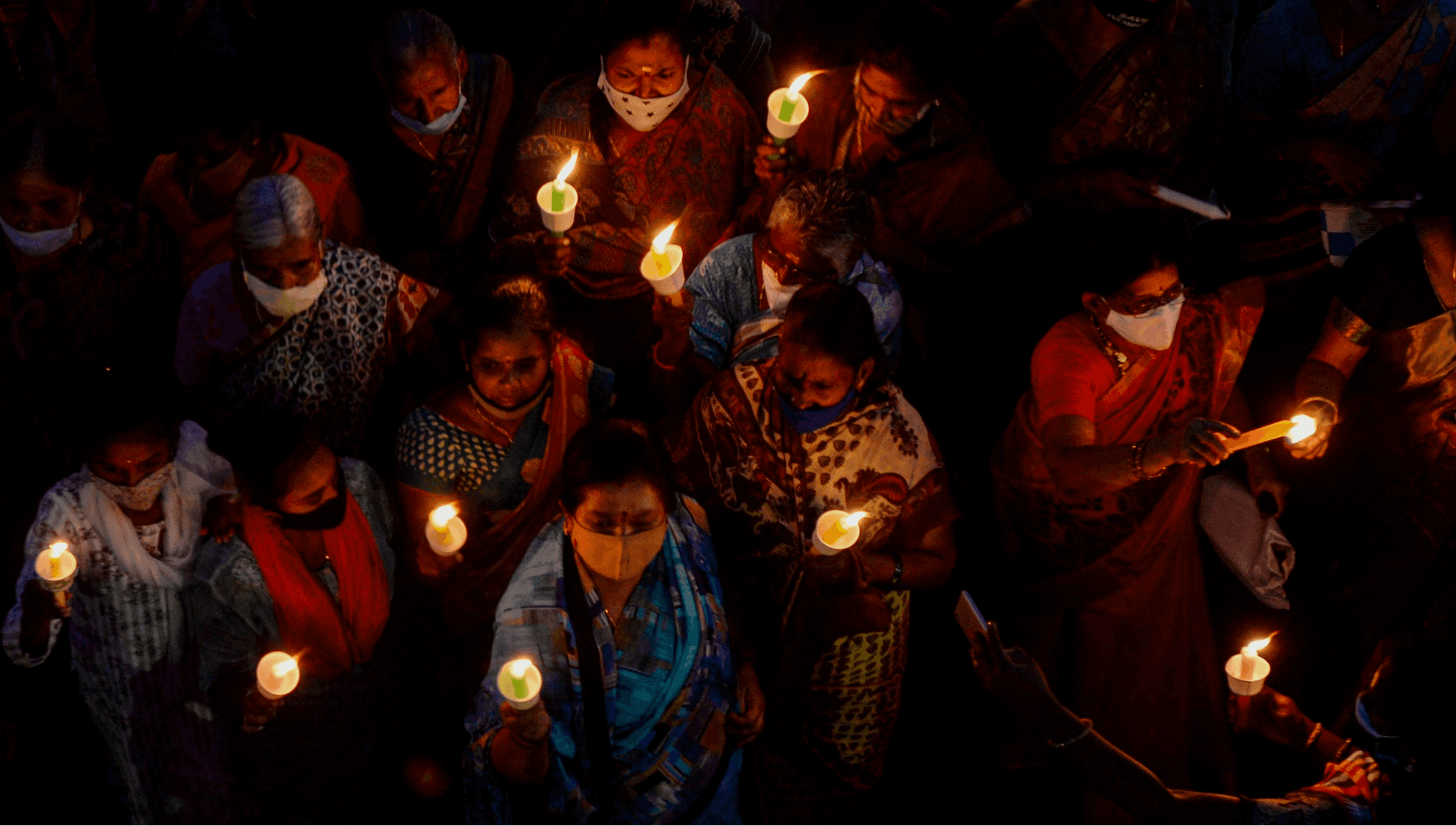
Supporters of the Dravida Munnetra Kazhagam (DMK) party hold lit candles during a protest march to condemn the gang-rape and murder of a 19-year-old woman in Bool Garhi village of Uttar Pradesh state, in Chennai on October 5, 2020.
National report
Indian women’s movements and
struggles against violence